


Play the best Aussie pokies online and win real cash today! Safe sites, generous bonuses, and the thrill of true gaming.
Live Casinos Australia
Live casinos sit in that spot between a full-on casino trip and clicking through a basic online table. You still play from home, but the game itself happens in front of you: a real dealer, real cards, and an actual roulette wheel on camera. For many Australians, this format offers a more authentic casino experience while remaining accessible from home — which is exactly why live casinos Australia continue to grow in popularity.
This guide breaks down what live casinos are, how the tech works, which games you’ll see most often, and what the experience is like once you’re actually at the table. We’ll also cover betting limits, bonuses (and the fine print that usually comes with them), payments, withdrawals, safety, responsible gambling, and where live casino games seem to be heading next. The focus of this guide is to explain how the best live casinos work and what players can expect from the format.
What Is a Live Casino?
Live casinos combine online access with the structure of a real casino table. Instead of automated graphics and RNG outcomes, you play with a professional dealer who deals real cards or spins a physical roulette wheel on camera. The video stream runs in real time, while bets are placed through an on-screen interface.
For Australian players, this format is often more engaging than standard online tables because the gameplay is visible from start to finish. You can follow the dealing process, watch the wheel spin, and interact with the dealer through chat. The result is closer to a land-based casino session, but without the travel, dress codes, or time limits.
This guide explains how the best live casinos work, what technology powers the stream, and which games dominate the live format. It also covers betting limits, bonuses, payment methods, withdrawal speed, safety standards, and responsible gambling tools. The focus is on the live casino experience itself rather than on specific brands.
How Live Dealer Casinos Work
Behind the scenes, most live dealer casinos run from purpose-built studios. These places are basically mini casinos designed for broadcasting: bright lighting, clear audio, and several camera angles so you can follow the action without guessing what happened.
On your screen, you’ll usually see the table, a digital betting layout, and a countdown timer that tells you how long you have to place bets. You pick your chips, choose your bets, and confirm them before the timer hits zero.
The casino then needs a way to “translate” the physical game into digital results. That’s where live dealer software comes in. Optical recognition and table sensors read the card values or roulette outcome and pass the result into the system so it can settle bets and update balances quickly.
Most online casino live dealers also interact with players through chat, and sometimes through spoken commentary. You can say hello, ask basic rule questions, or react to what’s happening. The dealer won’t give strategy tips, and they can’t influence results, but the chat still makes the table feel less like you’re playing alone.
Why Live Casinos Are Popular in Australia
Australian players tend to care about two things that live tables do well: trust and atmosphere.This is one of the main reasons live casinos Australia continue attracting both new and experienced players.
First, you can see what’s going on. When the dealer deals a card or spins the wheel, you watch it happen. The house edge remains the same, but the visible dealing process gives players greater confidence in how outcomes are determined.
Second, live play feels more social. You see other players’ usernames at the table, you notice patterns in how people bet, and you get those little shared moments when someone hits a big win or a table goes on a weird streak.
Quality matters here, too. The best Australian live casinos put effort into the studio: clear video, calm presentation, and a table setup that looks like a real casino rather than a low-budget webcam stream. And the format works for different bankrolls. You can find low-stakes tables for casual sessions and higher-limit rooms for players who want a slower, more serious pace. That range is a big reason live casinos Australia appeal to so many different styles of players.
Live Casino Software and Streaming Technology
If the stream is shaky, the whole thing falls apart. The best live casinos rely on stable broadcasting, sharp video, and low enough delay that your decisions still feel “in the moment”.
Studios use specialised systems to run the tables and keep everything synced: the video feed, the betting interface, and the game data. Good providers deliver HD live casino streaming that stays smooth even when a lot of people join the same table at once. A small delay is normal, but heavy lag makes blackjack decisions stressful and roulette sessions annoying.
From your side, a steady internet connection matters more than people want to admit. Most platforms adjust quality automatically, but if your connection drops, you can miss betting windows. That’s why many sites show a stream-quality indicator or let you manually lower the resolution before you start.
Live Dealer Games Explained
Most live lobbies stick to games that make sense on camera. The rules are familiar, the pace is structured, and you can follow what’s happening even if you’ve only played in a casino a couple of times.
You’ll usually see four types of live dealer tables:
- card games like blackjack and baccarat;
- wheel games like roulette;
- live game shows with hosts, wheels, and multipliers;
- themed or regional tables with different limits or side rules.
Below is what each main format looks like once you sit down.
Live Blackjack
Blackjack is usually the main attraction. The rules are the same ones most players already know: aim for 21, avoid busting, and decide whether to hit, stand, double, or split.
What makes it different in live play is the “table” setup. Many tables let multiple players join the same seat, or place bets behind another player’s hand. You’re still playing against the dealer, but the table can feel busy in a good way.
When you play live blackjack online, you see the dealer draw cards, reveal hands, and handle payouts one round at a time. Some tables add side bets (pairs, suited combinations, special totals). Others tweak the pace with faster timers or “infinite seat” formats. The core game stays the same, though: live blackjack is popular because it feels real and because your choices actually matter.
Live Roulette
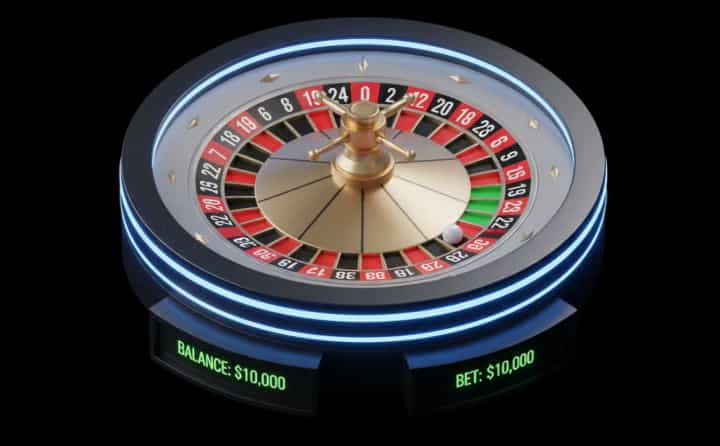
Roulette is all about the wheel. You place your bets on the digital layout — numbers, colours, odd/even, dozens — and then you watch the dealer spin the wheel and launch the ball. Most studios use close-up shots so you can see where it lands.
Different tables can feel surprisingly different. Some use European or French layouts. Some add multipliers. Many show stats, recent results, and a racetrack view that makes certain bets easier to place.
If you choose live roulette online, check the betting timer and the layout before you commit. Some tables move fast, others give you more time to think. Neither is “better”; it depends on how you like to play.
Live Baccarat
Baccarat is simple, quick, and oddly addictive. In a live baccarat casino, you usually bet on Player, Banker, or Tie. The dealer then deals the hands according to fixed rules. You don’t make choices mid-round, which is exactly why some players love it.
Because rounds move quickly, many studios add extra tools: result history, roadmaps, side bets, and trend displays. None of that changes the randomness of the next hand, but it does match the way baccarat regulars like to follow the game. High-limit tables often run at a slightly calmer pace and give you clearer camera angles so you can watch every step.
Live Casino Game Shows
Game shows are the “watchable” side of live casinos. Think big wheels, colourful sets, hosts talking you through each round, and bonus mechanics like multipliers, coin flips, or mini-games.
A live game shows casino title usually keeps the rules simple so anyone can join without feeling lost. The trade-off is that payouts can swing wildly depending on what the wheel lands on. Before you place bigger bets, it’s worth checking the paytable and understanding how the multipliers work.
These games aren’t about strategy. They’re about entertainment — and for a lot of players, that’s the whole appeal.
Snag 200 Free Spins and Go Pokies!

Limits and Table Stakes at Live Casinos
Live casino tables come in different formats, and betting limits usually define the whole experience. Some tables are designed for casual play, while others are built for higher-stakes sessions with a calmer pace.
On many live roulette and blackjack tables, minimum bets often start around AUD 1–5. Standard tables typically sit closer to AUD 10–50, while VIP rooms often begin at AUD 100+ and can reach several thousand dollars per round, depending on the casino.
Maximum limits also vary by game. Roulette tables often allow larger bets on outside options like red/black, while inside number bets usually have tighter caps. Blackjack and baccarat tables set clear per-hand maximums, especially in high-limit rooms.
Checking the table limits before joining helps you choose a game that matches your bankroll and preferred playing style.
Bonuses and Promotions in Live Casinos
Live bonuses exist, but they rarely look like slot promotions. Many welcome offers exclude live tables entirely or count live wagering at a lower percentage. That’s not a trick — table games usually have smaller margins, so casinos protect themselves with tighter terms.
Common live-focused promos include partial wagering contributions, cashback on live losses, or occasional leaderboard-style campaigns. The catch is usually in the limits: certain tables don’t qualify, bet sizes may be capped, and winnings may be restricted while a bonus is active.
So yes, bonuses can help, but they’re usually a side benefit. Treat them that way and you’ll save yourself a lot of frustration.
Payments and Withdrawals at Live Casinos
Payments are one of the most practical factors when choosing a live casino. Players often move between tables quickly, and many prefer platforms where deposits are instant and withdrawals are processed without long delays. This is especially relevant for real money live casino play, where session budgets may be higher than in standard RNG games.
| Payment Method | Deposit Speed | Withdrawal Timeframe | Notes |
| Debit/Credit Card | Within a few seconds | 1–5 business days | Processing depends on the bank |
| Bank Transfer | 1–2 business days | 2–7 business days | Often used for higher limits |
| E-wallets | Within seconds | Within 24 hours | Common choice for faster payouts |
| Cryptocurrency | 5–30 minutes | Minutes to several hours | Speed depends on network confirmation |
Although exact processing times vary between operators, the pattern is consistent. E-wallets and crypto tend to deliver faster withdrawals, while card and bank transfer payments require longer banking approval cycles.
Live Online Casinos on Mobile Devices
A lot of players now use a mobile live casino setup as their default, not a backup. Modern sites are built for phones and tablets, and many run smoothly in a mobile browser without installing anything.
The interface usually adapts to smaller screens by stacking menus, letting you swipe between views, and keeping the betting panel readable. The stream is still the heaviest part, so connection quality matters. Wi-Fi is best. Strong 4G/5G works fine. Weak signal turns the experience into a mess.
If you want to play live tables on mobile regularly, keep an eye on data use and battery drain. Live streaming eats both.
Pros and Cons of Playing at Live Casinos
Live casinos offer a different experience compared to standard RNG tables. When comparing the best live casinos, it helps to weigh the main strengths and limitations.
| Advantages | Disadvantages |
| Real-time gameplay with professional dealers | Slower rounds compared to RNG games |
| Visible card dealing and roulette wheel spins | Waiting periods due to fixed betting timers |
| Structured pace similar to land-based casinos | Higher minimum bets at some tables |
| Interactive features such as live chat | Dependence on a stable internet connection |
| More immersive table environment | Limited bonus eligibility in certain cases |
Live casinos suit players who value realism and a structured table atmosphere. Those who prefer faster gameplay may find traditional RNG tables more practical.
Is It Safe to Play at Live Casinos?
Safety depends on who you’re playing with. Licensed operators run live tables under strict procedures: multiple camera angles, recorded sessions, and internal supervision. Many tables also produce logs that can be reviewed if something goes wrong.
Secure live casino sites protect payments and personal data through encryption and verification checks. As a player, you can do a quick reality check before signing up: look for clear licensing information, transparent terms, and support channels that don’t feel hidden.
If a site is vague about who runs it, where it’s licensed, or how withdrawals work, that’s a red flag.
How to Choose the Best Live Casino Experience
Choosing the right platform means focusing on the practical details that define the quality of live casinos Australia.
Here’s what actually matters when you’re choosing a live setup:
- Stream quality. Clear video and minimal delay are essential for smooth gameplay.
- Game variety. Multiple roulette tables, different blackjack limits, baccarat options, and live game shows add flexibility.
- Betting limits. Stakes should suit your bankroll and preferred session size.
- Payments and withdrawals. Transparent processing times and trusted methods are important.
- Customer support. Fast assistance helps resolve verification or technical issues.
- Studio reliability. Reputable providers ensure stable performance during peak hours.
These factors directly affect how consistent and reliable the live casino experience will be.
Responsible Gambling in Live Casinos
Live play can pull you in. The stream is continuous, the chat keeps things lively, and rounds keep coming. That’s fun, but it also makes it easy to lose track of time.
If you want to stay in control, set limits before you start. Deposit caps, session timers, and reality checks exist for a reason. Decide your budget upfront, and stop when you hit it, even if the last round went badly.
And if you notice that the “fun” part has disappeared, if it starts feeling tense, compulsive, or like you’re trying to win back losses — step away. Most platforms offer cooling-off tools. Use them early, not after things get messy.
The Future of Live Casinos
The technology keeps improving, and so does the production. Studios are trying new camera angles, faster streaming, and more interactive formats that sit somewhere between a table game and a TV show.
Mobile design will keep driving growth too. As connections get faster, the stream becomes smoother, and more players will treat live tables as their default way to play rather than something they only do occasionally.
The core idea won’t change, though: a real dealer on camera, real equipment, and a casino-style game you can join from anywhere.